Eat plants — the plant-based NYC directory Many ways to care This month's essay All essays Take action now NYC organizations Four ideas Watch — short films, free Documentaries Posts Research Support
Animal Compassion NYCEvery speciesEvery borough

There are a hundred ways to care for an animal in this city. Here are the ones that work.

Companion, wild, farmed, working, captive, and at sea — compassion for all of them, from New York. Who to support, what to read, and what to do this week.

Every species · Every borough · Every day
Many Ways to Care

Six kinds of animal. Six places to start.

Start with the animals you already care about. Each tile is one kind of animal, one thing New Yorkers are doing for them, and one link that goes somewhere useful.

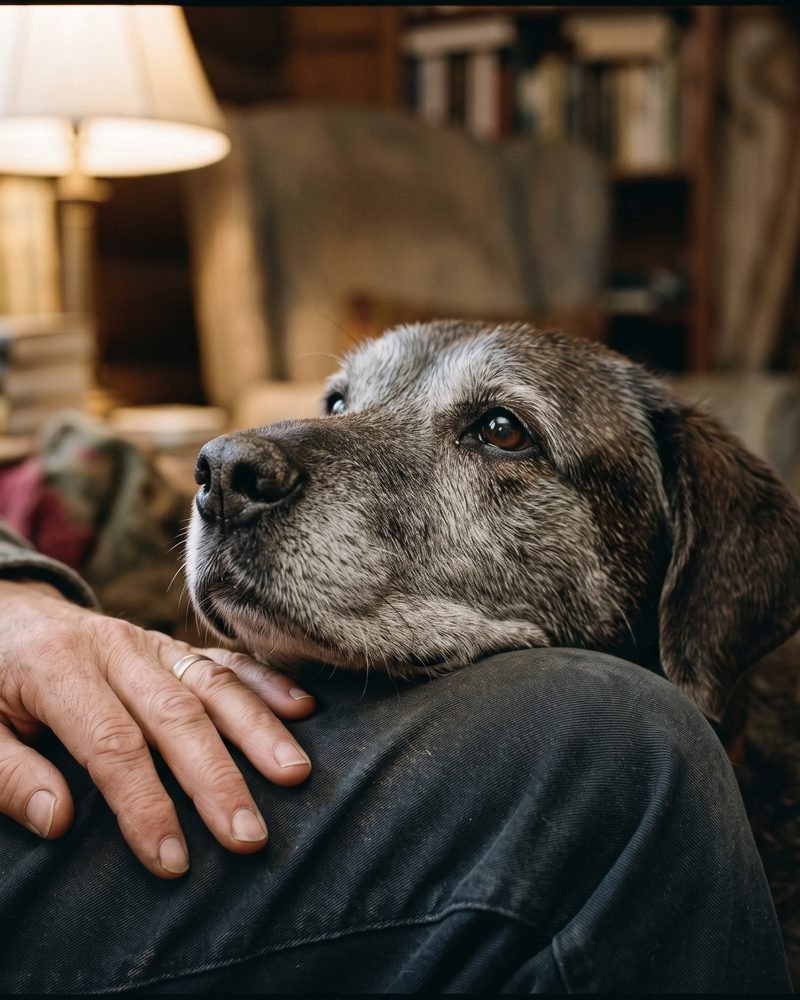
An old grey-muzzled dog rests its head on a person's arm.
Companion animals
Foster, adopt, walk, volunteer

The city's open-admission shelters need fosters more than they need anything else. A few hours a week changes one animal's whole outcome.

Find a role at NYC ACC →
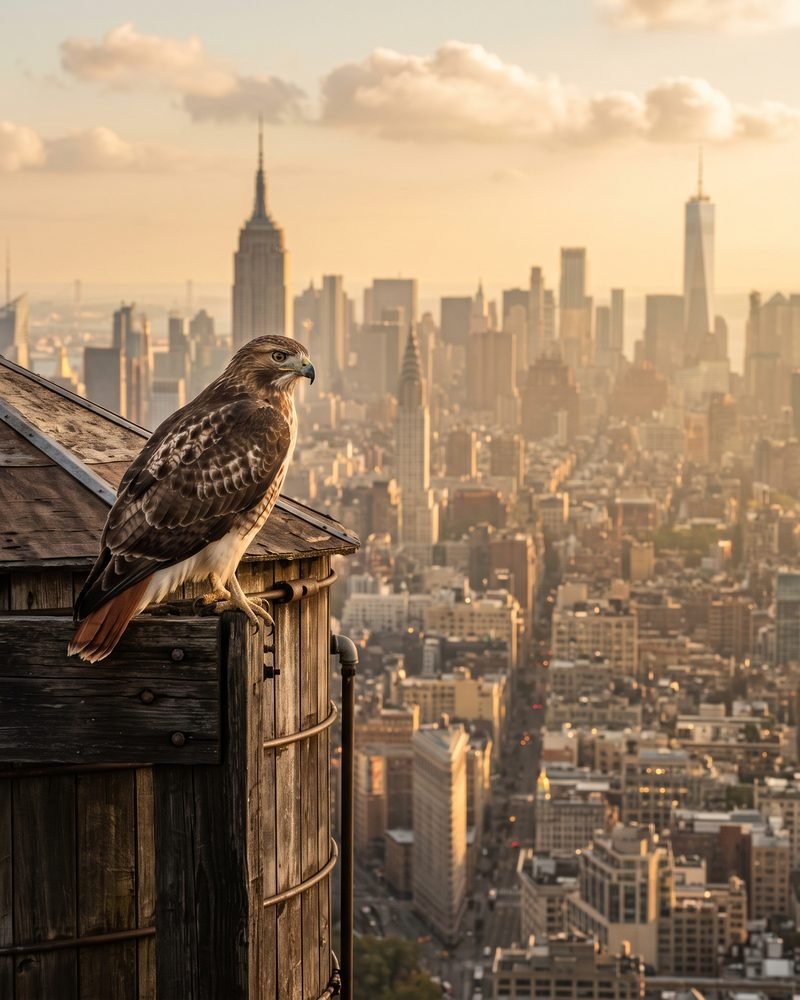
A red-tailed hawk perched on a rooftop with the Manhattan skyline behind it at golden hour.
Wild & urban animals
Hawks, pigeons, and a quarter-million migrating birds

The wild animals of this city need safer glass, darker skies, and people who notice. Lights Out, bird-safe windows, and a rehab hospital on the Upper West Side.

NYC Bird Alliance · Wild Bird Fund →
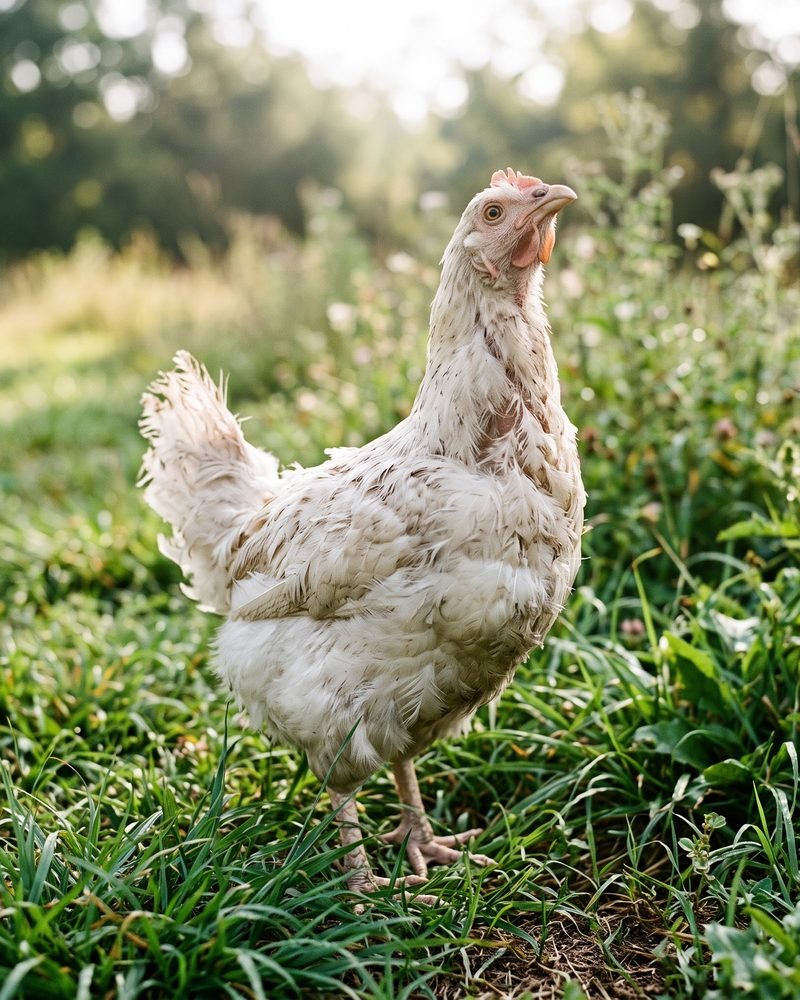
A white hen standing in tall green grass in morning light.
Farmed animals
The ones we're taught not to see

Nearly every animal who needs compassion is a hen, a pig, or a cow. You can't truly be compassionate for animals and also eat them — and NYC is the easiest city in the world to stop.

The plant-based NYC directory →
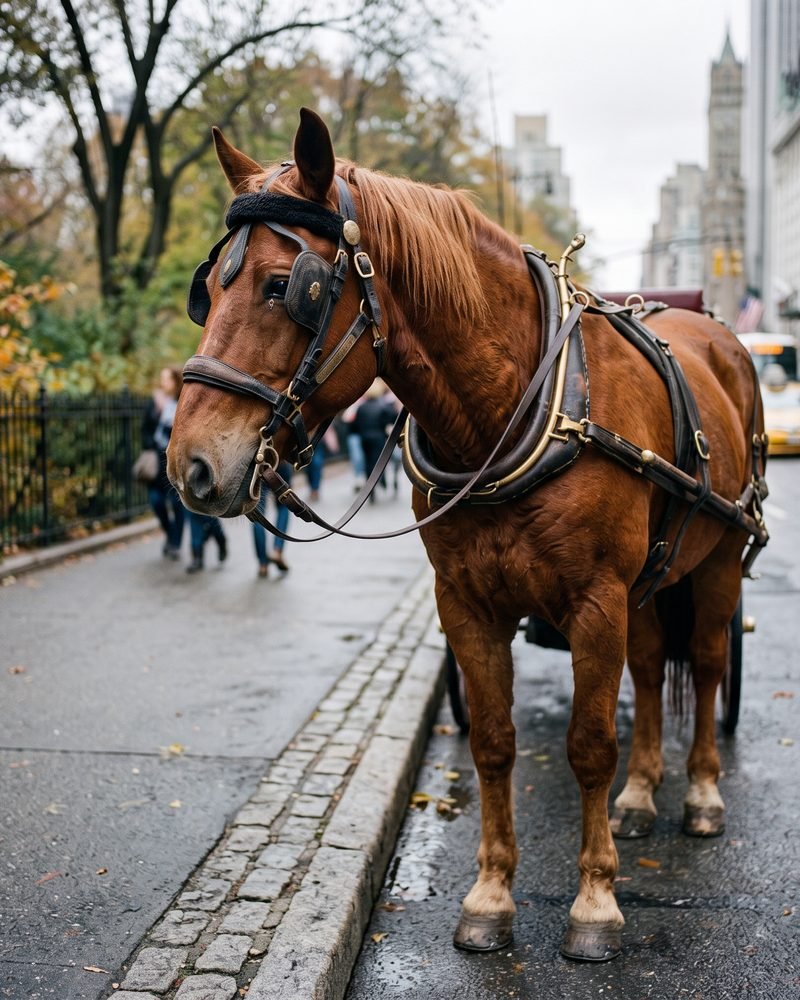
A chestnut carriage horse in harness on a wet Central Park South street in autumn.
Working animals
Carriage horses and racehorses

Horses still haul tourists through Midtown traffic and die on New York's tracks. The carriage-horse bill has the votes. What it needs is a vote — and your Council member's attention.

Two minutes, one email →
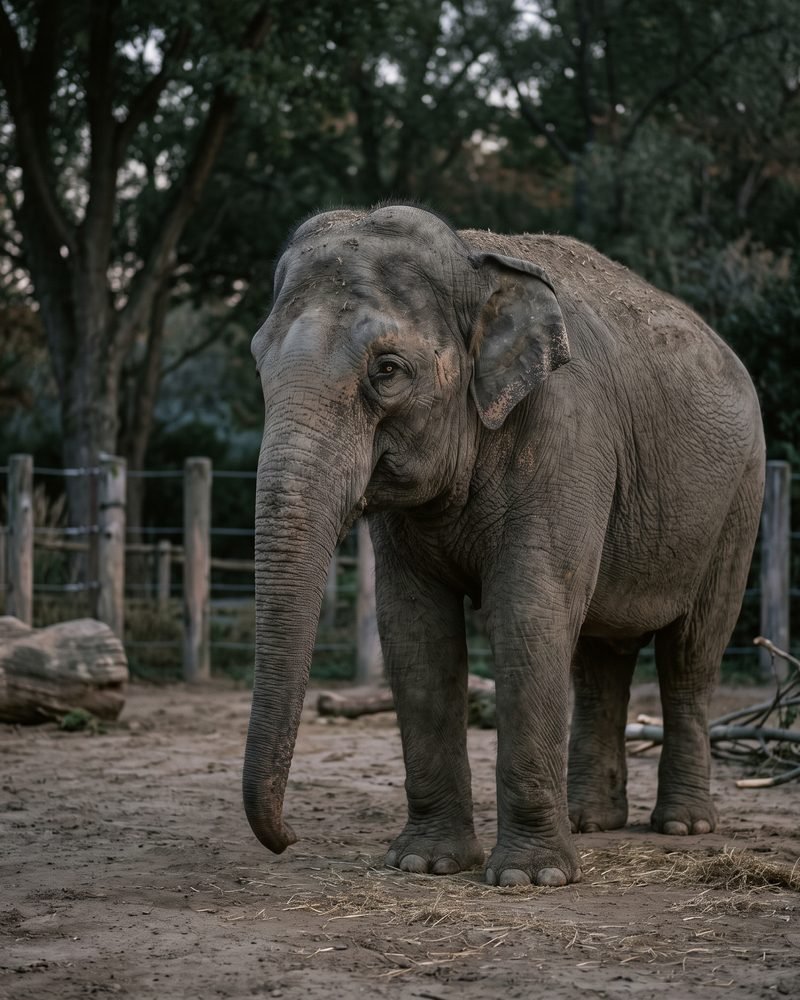
A lone elephant standing in a bare enclosure.
Captive & lab animals
Zoos, circuses, laboratories

An elephant alone in the Bronx, beagles bred for labs, wild animals in traveling acts. New York's bills are written and passed; what they're waiting on is a signature.

Read: the wild-animal act ban →
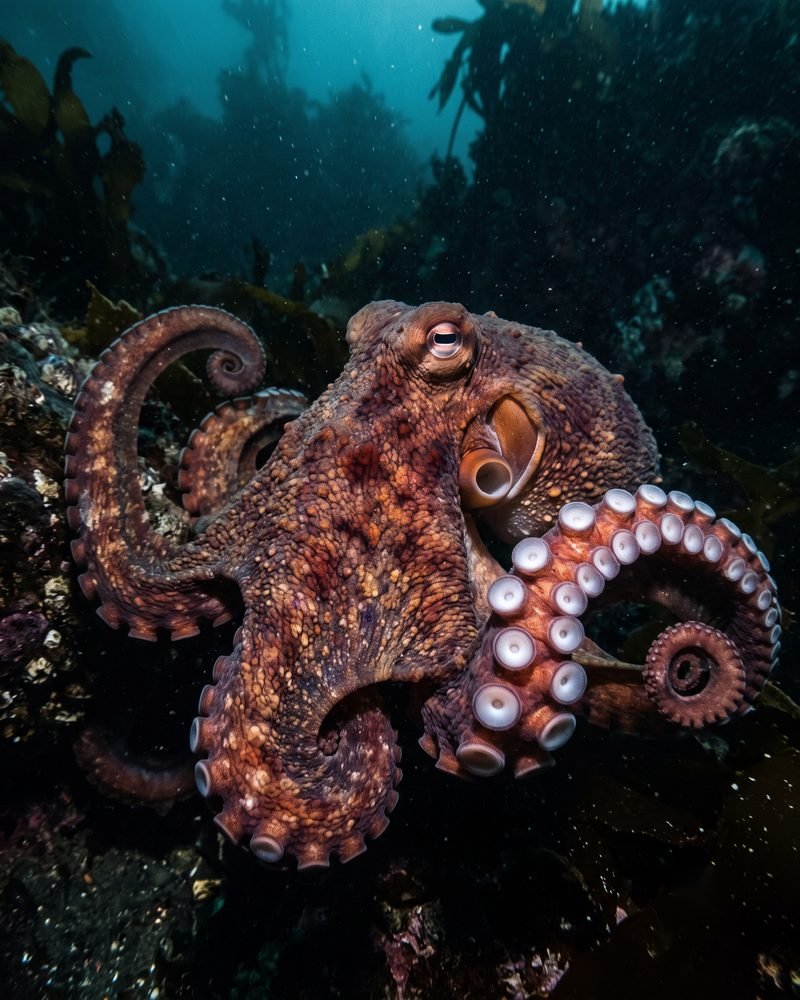
An octopus on a reef in deep blue water.
Animals at sea
Fish, octopuses, and everyone we count by weight

Fish are the animals our empathy reaches last. New York voted to ban octopus farming before the first tank was ever built — a rare win for an animal almost no one had met.

Read: the farm that was never built →
This Month's Essay
October 23, 2026 · 7 min read

New York, Unhitched

On October 22, the City Council voted 40–7 to end the horse-drawn carriage trade. After nineteen years of failed bills — and after Ryder, Deniz, and Romanch Mahajan — the city finally decided that a horse is not scenery. It deserves a cheer. The work isn’t finished.

There is a sound that has belonged to Central Park South for as long as anyone alive can remember — the hollow clop of shod hooves on asphalt, keeping time under the taxi horns. Tourists film it. Postcards sell it. Movies use it as shorthand for romance, for old New York, for the city at its most cinematic. And for most of us, most of the time, the horse making that sound has been closer to scenery than to someone: a living prop, harnessed to a story we tell about ourselves.

On Thursday, October 22nd, the New York City Council voted to end it. Romanch’s Law — Intro. 943, carried by Council Member Christopher Marte — passed 40 to 7, a veto-proof majority. No licenses will be issued or renewed; the ones that exist expire on May 31, 2028; and on June 1, 2028, the horse-drawn carriage comes off the streets of this city. By June 1, 2027, every owner of a licensed horse must certify to the Health Department that the animal will not be sold for slaughter, or into another carriage business, or for any other inhumane purpose. The administration owes the drivers a workforce transition plan. Mayor Mamdani, who reached the deal with Speaker Julie Menin earlier this month, put it as plainly as anyone has: “The horse carriage industry is coming to an end in New York City.”

Continue reading → About six more minutes. Sources and references at the end.
Four Ideas

Why the numbers don't move us — and what does

Each of these is one finding from the psychology of how people think about animals. One sentence, one source. They come up again and again in the essays.

Psychic numbing

Compassion does not scale with the count. One identified victim draws far more giving than statistics covering millions — and asking people to think it through does not raise giving to the many. It lowers giving to the one.

Small, D. A., Loewenstein, G., & Slovic, P. (2007). Organizational Behavior and Human Decision Processes, 102(2), 143–153. doi:10.1016/j.obhdp.2006.01.005

Pet speciesism

Same crime, same story, different species: people feel more empathy for a dog victim than a pig victim, are more willing to help the dog, and shift more blame onto the pig. The label decides, not the suffering.

Gradidge, S., Harvey, A. J., McDermott, D. T., & Zawisza, M. (2021). Human-Animal Interaction Bulletin, 12(1), 15–27. doi:10.1079/hai.2021.0010

Mind denial

When people expect to eat an animal, they attribute less of a mind to it. Being reminded that the meat came from an animal makes the denial stronger. The belief moves so the behavior doesn't have to.

Bastian, B., Loughnan, S., Haslam, N., & Radke, H. R. M. (2012). Personality and Social Psychology Bulletin, 38(2), 247–256. doi:10.1177/0146167211424291

The meat paradox

Most people love animals and eat them. The conflict is real and uncomfortable, and it is usually resolved by changing how we see the animal rather than what we put on the plate.

Loughnan, S., Bratanova, B., & Puvia, E. (2012). In-Mind Italia, 1, 15–18.

More on the research →
NYC Organizations

People doing good things for animals — here

A starter directory of New York–area organizations, one or two for every kind of animal on this page. Pick one and send it $5 a month.

Companion · Shelters
Animal Care Centers of NYC

The city's only open-admission shelter system. Care centers across the boroughs and a steady need for adopters, fosters, and volunteers.

nycacc.org →
Companion · Welfare
ASPCA

Headquartered in NYC. Operates the Animal Hospital, Adoption Center, and Community Engagement programs in Manhattan and beyond.

aspca.org →
Wild · Rehabilitation
Wild Bird Fund

The city's wildlife rehabilitation center, on the Upper West Side. Thousands of injured birds and small wild animals a year, treated and released.

wildbirdfund.org →
Wild · Conservation
NYC Bird Alliance

Formerly NYC Audubon. Bird-safe building campaigns, Lights Out, habitat work, and the science behind the city's quarter-million-bird spring migration.

nycbirdalliance.org →
Farmed · Sanctuary
Catskill Animal Sanctuary

Saugerties, NY — about two hours from the city. Rescued farm animals, tours, and the single most reliable way to meet a turkey as an individual.

casanctuary.org →
Farmed · Sanctuary
Woodstock Farm Sanctuary

High Falls, NY. Takes in animals the food system was finished with and lets them grow old. Day visits, volunteering, and a vegan café on site.

woodstocksanctuary.org →
Policy · All animals
Voters For Animal Rights

NYC-based grassroots political group endorsing animal-friendly candidates and pushing legislation across the five boroughs and New York State.

vfar.org →
Regional · Investigations
Humane Long Island

Investigations, campaigns, and education for animals across the NYC metro and Long Island. Strong record on factory farming and wildlife.

humanelongisland.org →
Farmed · Movement
Mercy For Animals

National group with NYC organizers: undercover investigations, corporate cage-free campaigns, and policy work. See also The Humane League, whose NYC volunteer chapter you can join this month.

mercyforanimals.org →
Take Action

Compassion is a verb

Indeed — to the extent that animals depend on us, action matters more than sentiment. Start where you are.

Volunteer
Foster, walk, or care

Sign up to foster or volunteer at NYC ACC, the ASPCA, or one of the borough rescues. Even a few hours a week changes outcomes for an individual animal.

Find a volunteer role →
Vote · Advocate
Back animal-friendly policy

Subscribe to Voters For Animal Rights and follow the New York City Council. Local votes on carriage horses, foie gras, and wildlife protections move fast.

This month's two-minute actions →
Eat
Eat plant-based

You can't truly be compassionate for animals and also eat them. NYC is one of the easiest cities in the world to live this out — and we've built a full directory of fully plant-based restaurants across all five boroughs.

Browse the Plant-Based NYC directory →
Give
Donate where it counts

Small, recurring donations to effective organizations beat one-time gifts. Pick one group above and set up a $5–$25 monthly contribution.

Pick an organization →
The Scale, for the Record

The numbers, if you want them

The reason this site exists is above. The reason it's urgent is here. One guess, one slider, then the sourced figures — and a counter that is arithmetic, not animation.

How many chickens are slaughtered in the United States every second?
Drag the slider to your best guess. Nothing is recorded but the guess itself.
10
per second
1101001,0003,000
About 298 every second.

That is 9.4 billion chickens a year in one country, and it is the first figure below. If your guess was low, you are in good company: compassion does not scale with the count. Psychologists call the flattening psychic numbing, and the four ideas above are about what gets past it.

9.4 billion

Chickens raised for meat in the United States in 2025 — roughly 26 million per day, about 298 per second.

USDA National Agricultural Statistics Service, Poultry — Production and Value, 2025 Summary

158 million

Hogs (128 million) and cattle (29.8 million) slaughtered in U.S. commercial plants in 2025.

USDA National Agricultural Statistics Service, Livestock Slaughter, 2025 Summary

~99%

Share of U.S. farmed animals estimated to live on factory farms, applying EPA facility-size definitions to the USDA Census of Agriculture.

Sentience Institute analysis; consistent across the 2017 and 2022 censuses per Our World in Data

80+ billion

Land animals slaughtered for meat worldwide each year — most of them chickens. Fish are counted only by weight, so no one knows their number.

UN Food and Agriculture Organization data, via Our World in Data

Since you opened this page
0
chickens slaughtered in the U.S.
≈ 298 per second
0
hogs & cattle slaughtered in the U.S.
≈ 5 per second
0
land animals slaughtered worldwide
≈ 2,500 per second

Not a simulation — arithmetic. The annual totals above, divided into seconds, multiplied by the time you've been here.

From the Feed

The day-to-day is on Instagram

Animals, organizers, action alerts, and small wins from across the five boroughs — one post a day, archived here with links that work.

Plant-Powered NYC post — August 29, 2026Aug 29 · Plant-Powered NYC Take Action post — August 27, 2026Aug 27 · Take Action Allied Voices post — August 27, 2026Aug 27 · Allied Voices

Be the New York every animal deserves.

Pick one kind of animal. Pick one action. Start this week.

Find your way in